Culverts and Ditches
Culvert Pipe Installation in Greenville SC for Driveways and Ditches
New culverts, rebuilt ditches and cleared channels that keep water moving under driveways and along property lines, for Upstate homeowners, farms and businesses.
Culvert Pipe Installation in Greenville SC, Done to Carry the Storm
C&C Outdoor Solutions provides culvert pipe installation in Greenville SC for driveways that cross a ditch, farm lanes that cross a draw, and commercial entrances that sit over a drainage channel. We also repair and clean the ditches that feed those pipes, because a culvert only works as well as the channel on either side of it.
The work belongs to our wider drainage and erosion control services, and it draws on over 25 years in stormwater management. A culvert that is too small, set too high or left without protection at the ends tends to fail in the first big storm.
Based in Simpsonville, SC, we serve Greenville, Spartanburg, Anderson and the Upstate within about 50 miles. Call (864) 399-6658 for a free estimate.
Signs a Culvert or Roadside Ditch Is Failing
A failing culvert rarely gives out all at once. It usually shows small warnings for months, and catching them early can save the driveway above it.
- Water backing up and pooling on the uphill side after rain
- A sinkhole or soft dip forming in the driveway over the pipe
- Rust holes, crushed ends or separated joints visible at the openings
- Silt, leaves or debris filling the pipe more than partway
- Ditch banks caving in or washing into the yard
- Washouts at the outlet where water leaves the pipe
Any of these deserves a look before the next storm, since a blocked or collapsed pipe can send water over the top of the drive. Upstate summer thunderstorms can drop a lot of rain in a short time, and that sudden flow is what tears out a weak crossing.
How the Culvert Installation Process Works
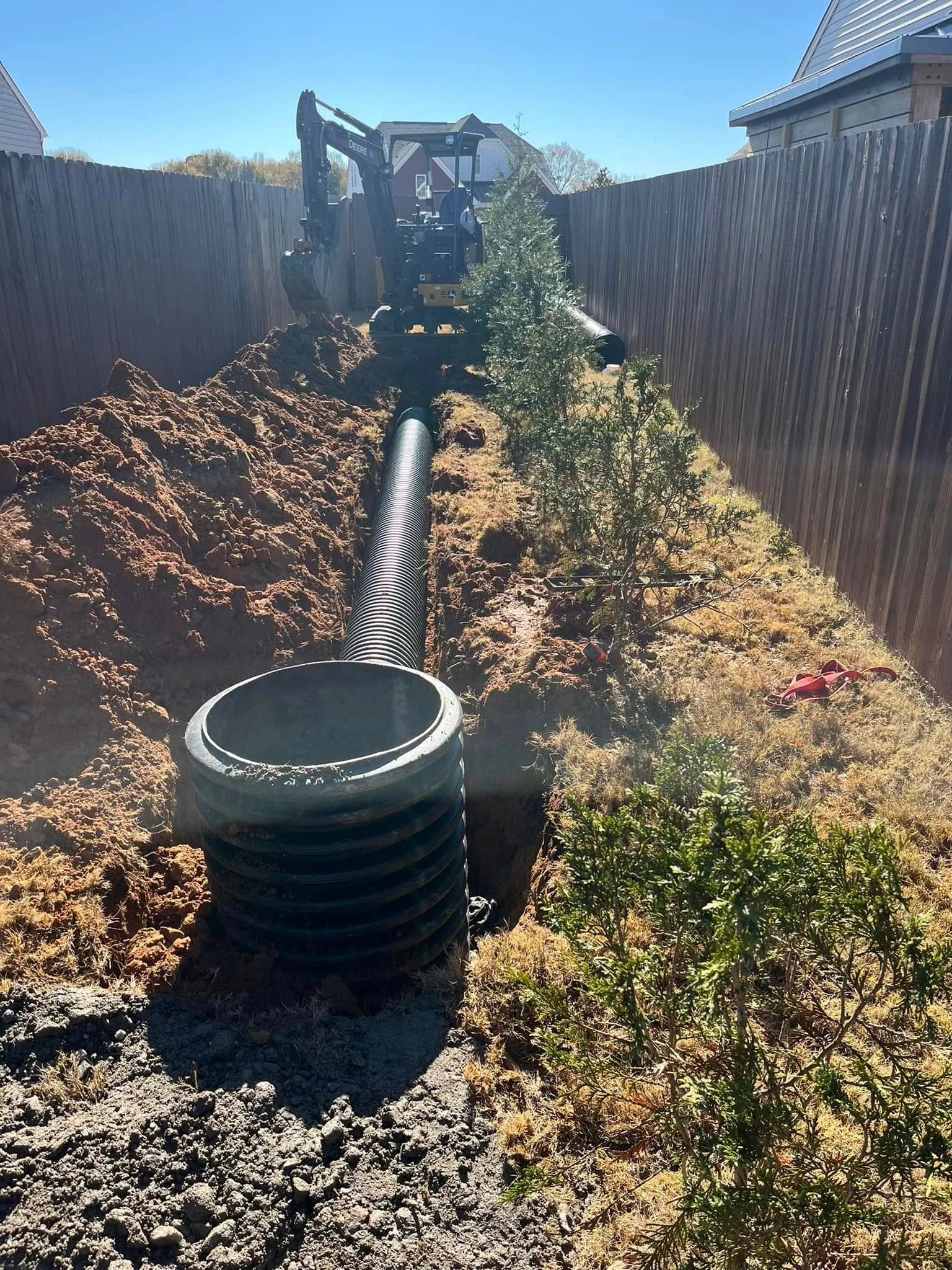
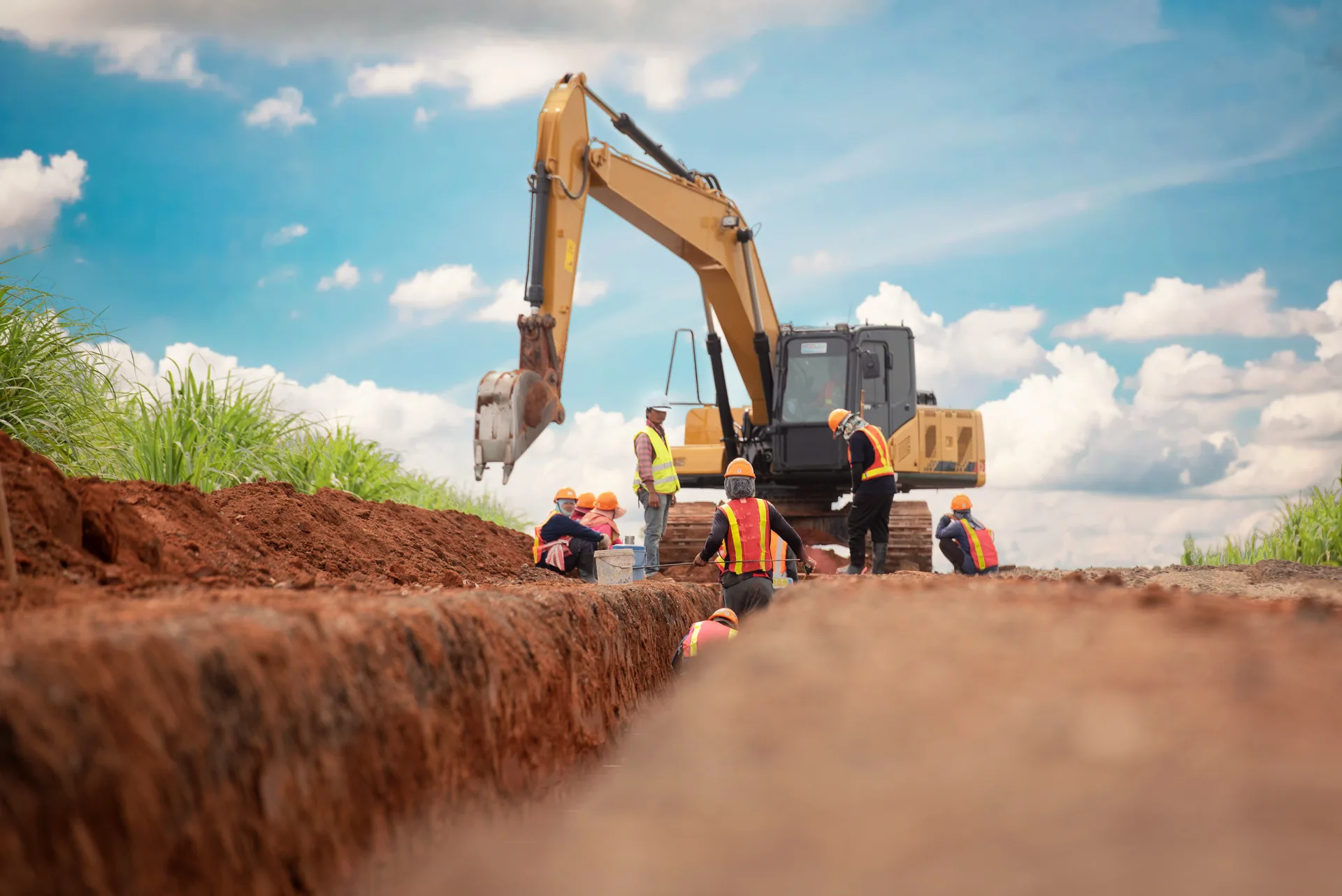
A culvert job is mostly about getting the size, depth and slope right before the pipe ever goes in the ground. The steps stay the same on a single driveway or a long farm lane.
-
Step 1
Measure the Flow and the Crossing
We look at how much ground drains to the crossing, the ditch depth on both sides and the condition of any old pipe. The free estimate gives the scope and an estimated schedule.
-
Step 2
Remove the Old Pipe and Prepare the Bed
Any failed pipe is dug out. The trench is shaped to the right grade and given a firm, even bedding so the new pipe cannot sag or shift.
-
Step 3
Set the Pipe and Backfill in Layers
The pipe is laid in line with the ditch, then backfilled and compacted in lifts so the driveway above stays solid under traffic.
-
Step 4
Armor the Ends and Restore the Surface
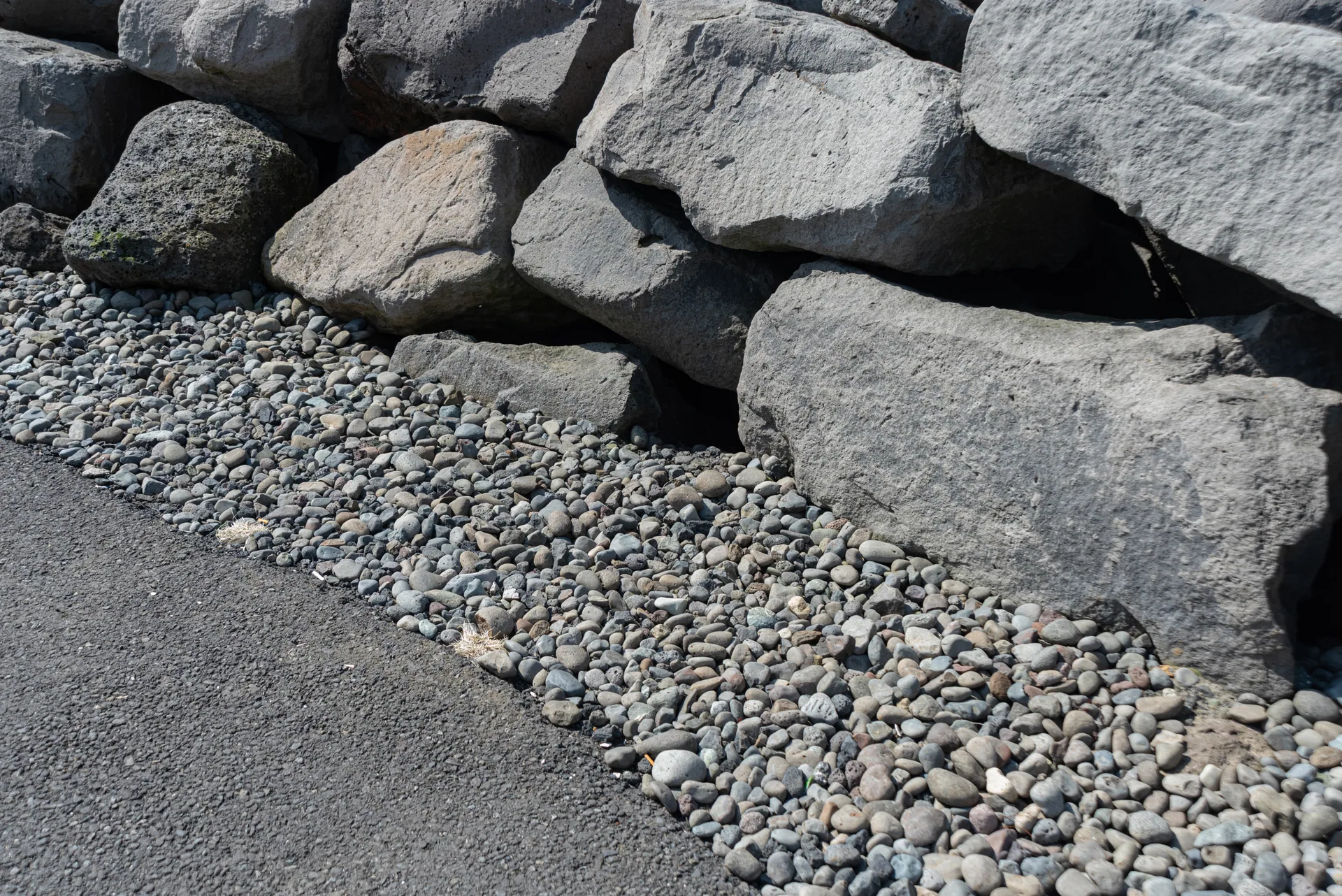
Stone or riprap protects the inlet and outlet from scour. The driveway surface is rebuilt and the ditch banks are stabilized.
Driveway Culvert Pipe Sizing and Materials
The most common culvert we install is a driveway culvert pipe, where a home or business entrance crosses a roadside or property ditch. Sizing comes first: the pipe has to carry the water that reaches it in a heavy storm, not the trickle seen on a dry day. A pipe that is too small turns the ditch into a pond and pushes water across the drive.
Pipe material depends on the load and the setting. Corrugated plastic pipe is light and resists rust, corrugated metal handles heavy loads, and concrete pipe suits deep or high-traffic crossings. Depth of cover matters as much as material, because a pipe set too shallow can crush under a loaded truck.
For homeowners searching for culvert installation near me, the right contractor is the one who measures the drainage area before quoting a pipe size. When the water comes from a larger site, our stormwater management work looks at the whole flow path.
Ditch Repair for Eroded and Collapsing Banks
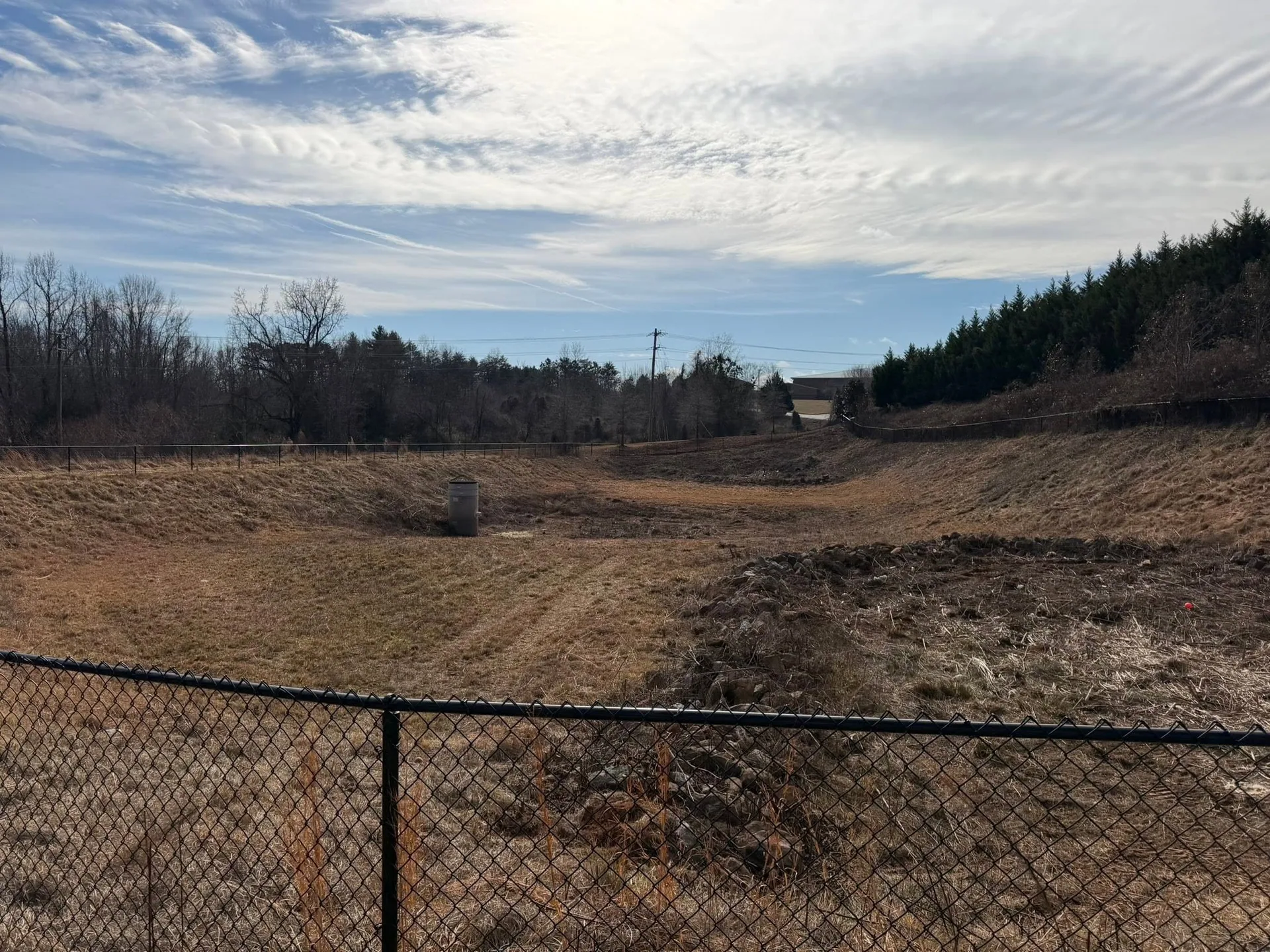
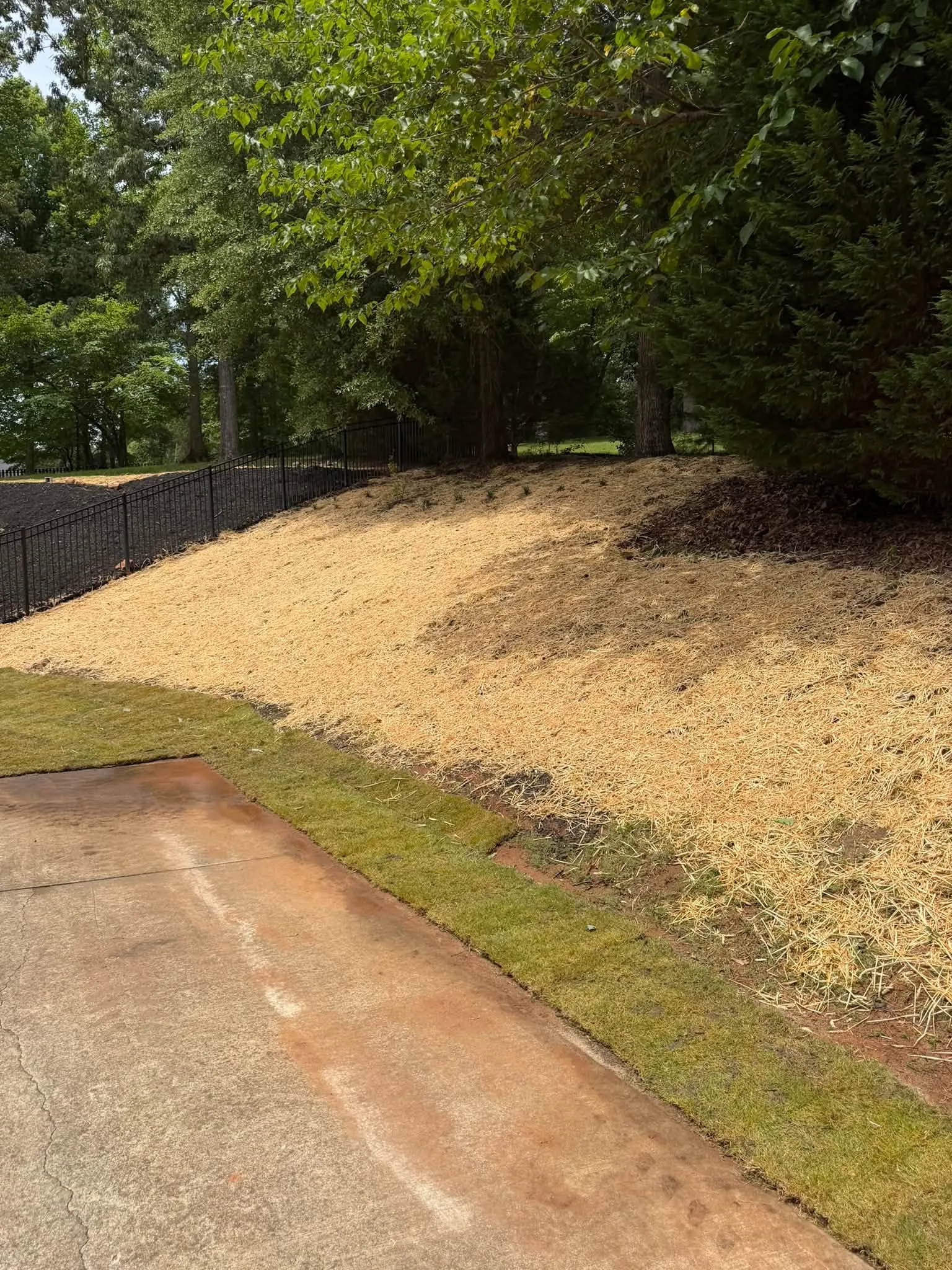
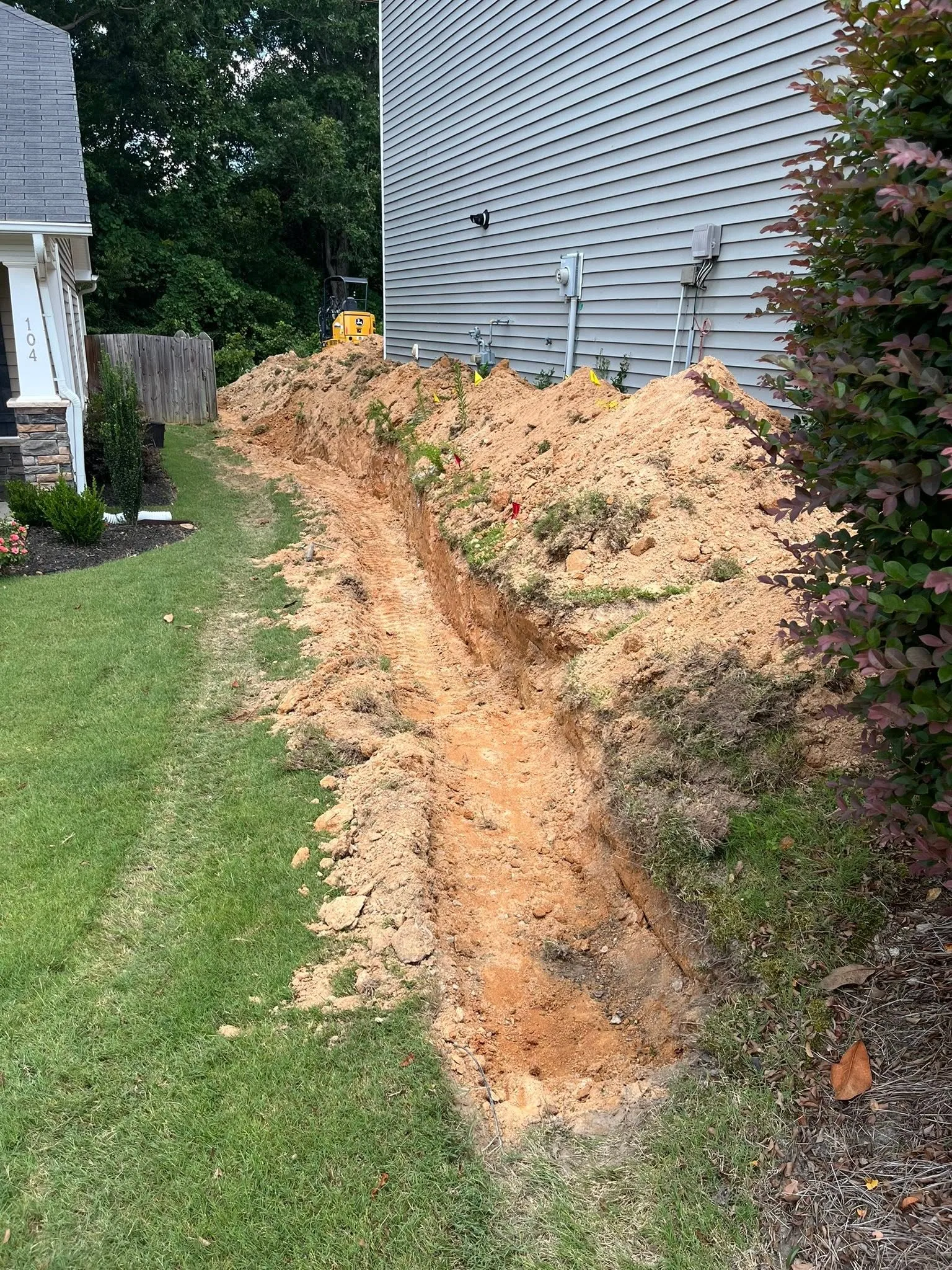
Ditch repair rebuilds a channel that has lost its shape. Upstate red clay erodes fast once its grass cover is gone, and a ditch that started as a shallow swale can cut into a deep, steep-sided gully within a few seasons. The banks then slump in, narrowing the channel and undercutting fences, drives and lawns.
We reshape the ditch to a stable cross section, with banks gentle enough to hold vegetation, and set the bottom to a steady grade so water does not stall or race. Where flow is strong, the channel is lined with stone or erosion matting rather than left as bare soil. Sharp bends and outlets get extra protection because that is where the water hits hardest.
A repaired ditch also protects the pipe it feeds. Most projects for culvert pipe installation in Greenville SC that we take on include some ditch repair at each end, since a new pipe set into a crumbling channel will clog or undercut within a season.
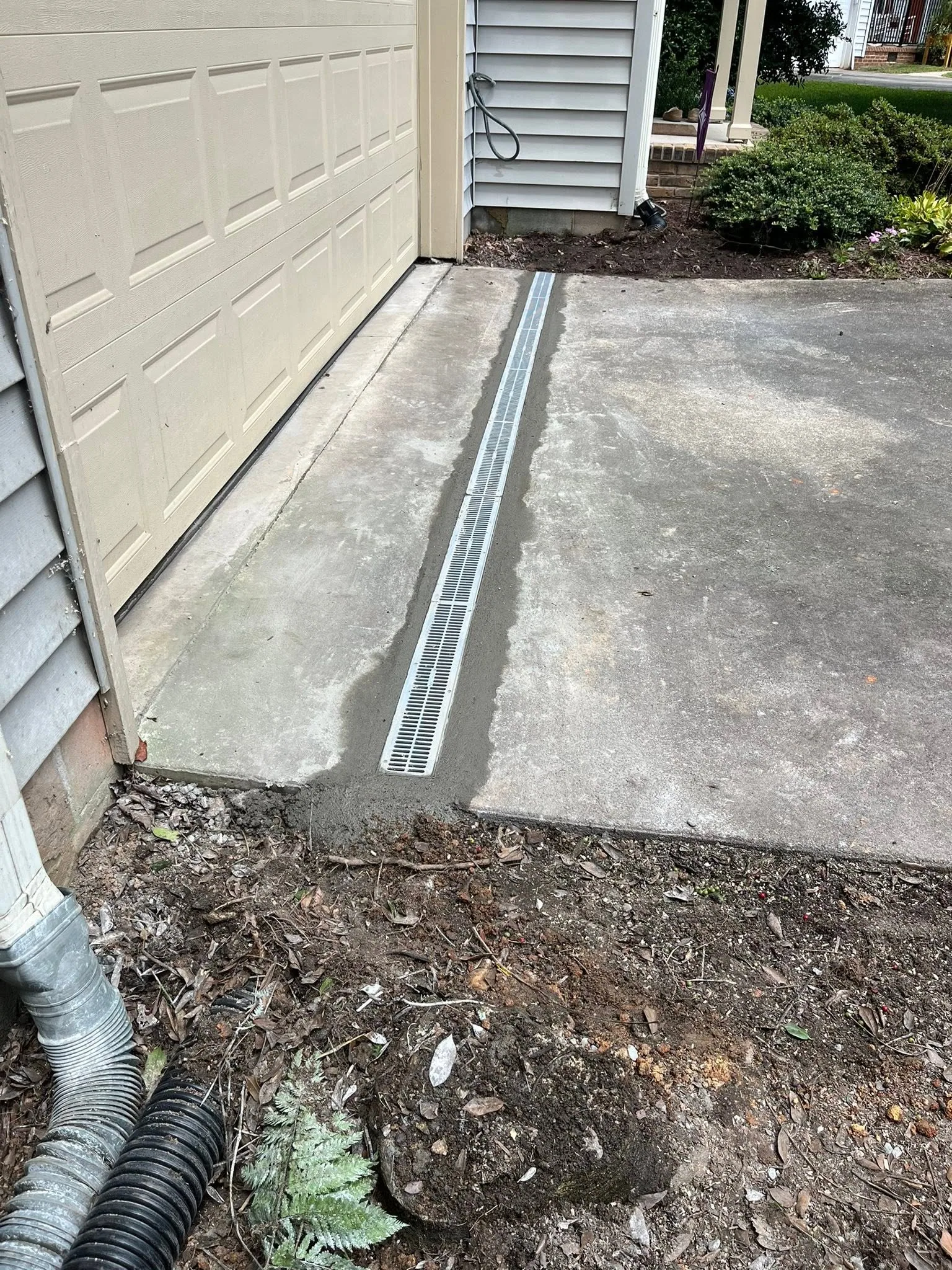
Drainage Ditch Cleaning to Restore Flow
Drainage ditch cleaning removes the silt, leaves, limbs and overgrowth that build up until a ditch holds water instead of moving it. A clogged ditch also sends debris straight into the culvert downstream, which is how many pipe blockages begin. Standing water in a clogged ditch also softens the road or driveway shoulder beside it.
We clear the channel back to its working depth, take out sediment without cutting into the stable banks, and clean out both ends of any culvert along the way. The removed material is hauled off or spread where it will not wash back in. For properties with long frontage or farm ditches, a regular cleaning schedule after leaf fall and before the summer storm season keeps the system flowing. Cleaning is far less work than rebuilding a ditch that has been left to fill and overflow for years.
What Affects the Cost of a Culvert or Ditch Project
Culvert and ditch work is priced after a site visit, since the same driveway crossing can be simple on one lot and complex on the next. Every quote for culvert pipe installation in Greenville SC is based on measurements taken at the crossing. These are the factors that move the number:
- The pipe diameter, length and material the flow requires
- The depth of the trench and how much fill sits over the pipe
- Removal and disposal of an old or collapsed pipe
- Stone or riprap needed at the inlet and outlet
- The length of ditch to reshape, line or clean
- Rebuilding the driveway surface over the crossing
Small repairs often take a few days, and longer ditch runs can take several weeks. Your free estimate comes with an estimated schedule, so you know how long the crossing will be out of use.
Why Property Owners Call C&C Outdoor Solutions for Culverts
A culvert sits where drainage, grading and driveway construction meet, and our team works in all three. That background means the crossing is planned as part of the whole drainage path, from the first ditch upstream to the outlet below.
We are family-owned and treat every customer as a long-term relationship, so we explain why a pipe is a certain size and what the ditch needs to stay healthy. Our methods favor durable materials and stabilized banks that hold for years rather than quick patches.
Homeowners, farm owners and commercial property managers get the same careful measuring and compaction on every culvert pipe installation in Greenville SC, whether the job is a single residential drive or several crossings along a private road. Each crossing is built to carry the water that actually reaches it.
Culvert and Ditch Work Around Greenville, Simpsonville, Spartanburg and Anderson
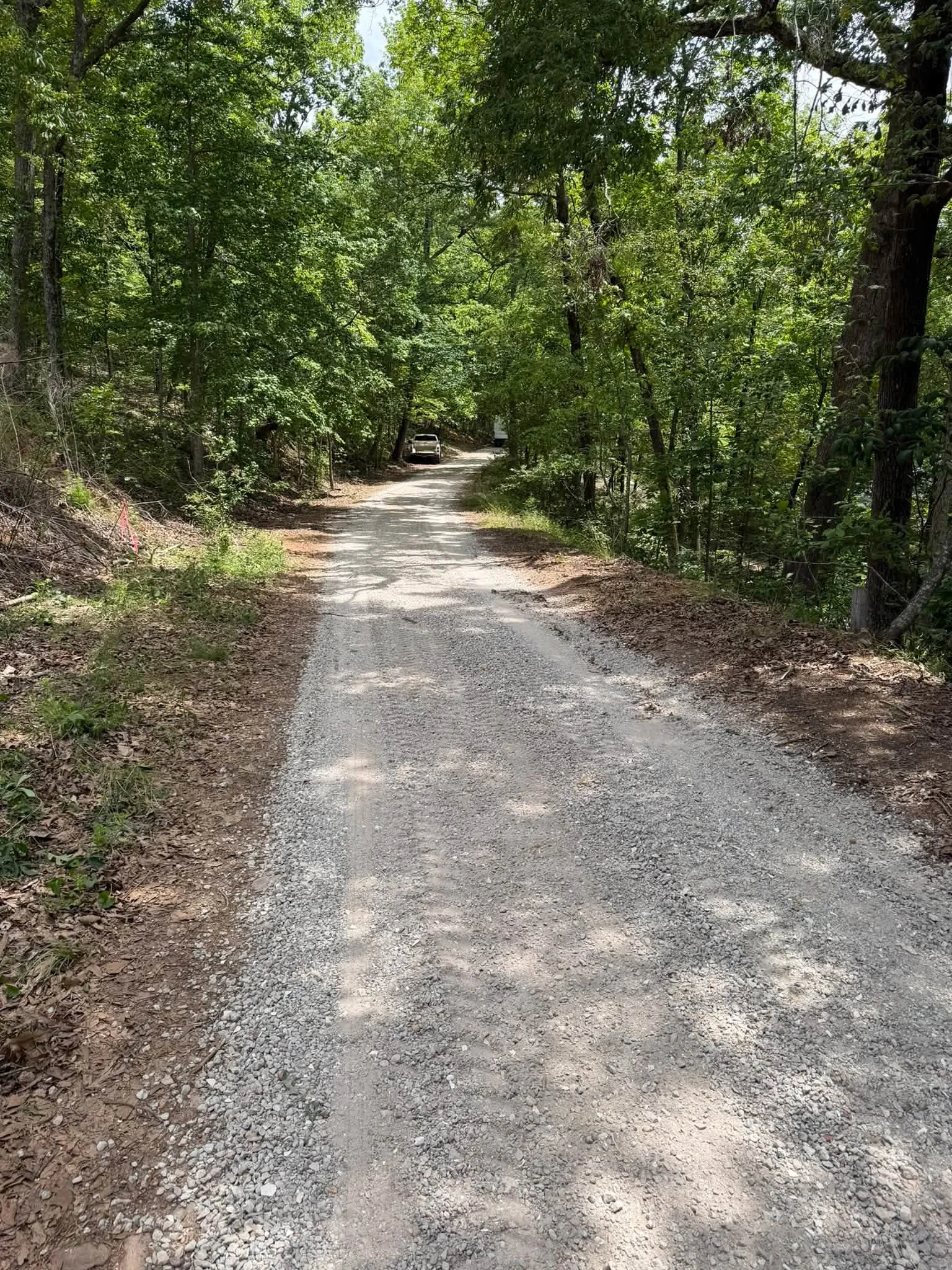
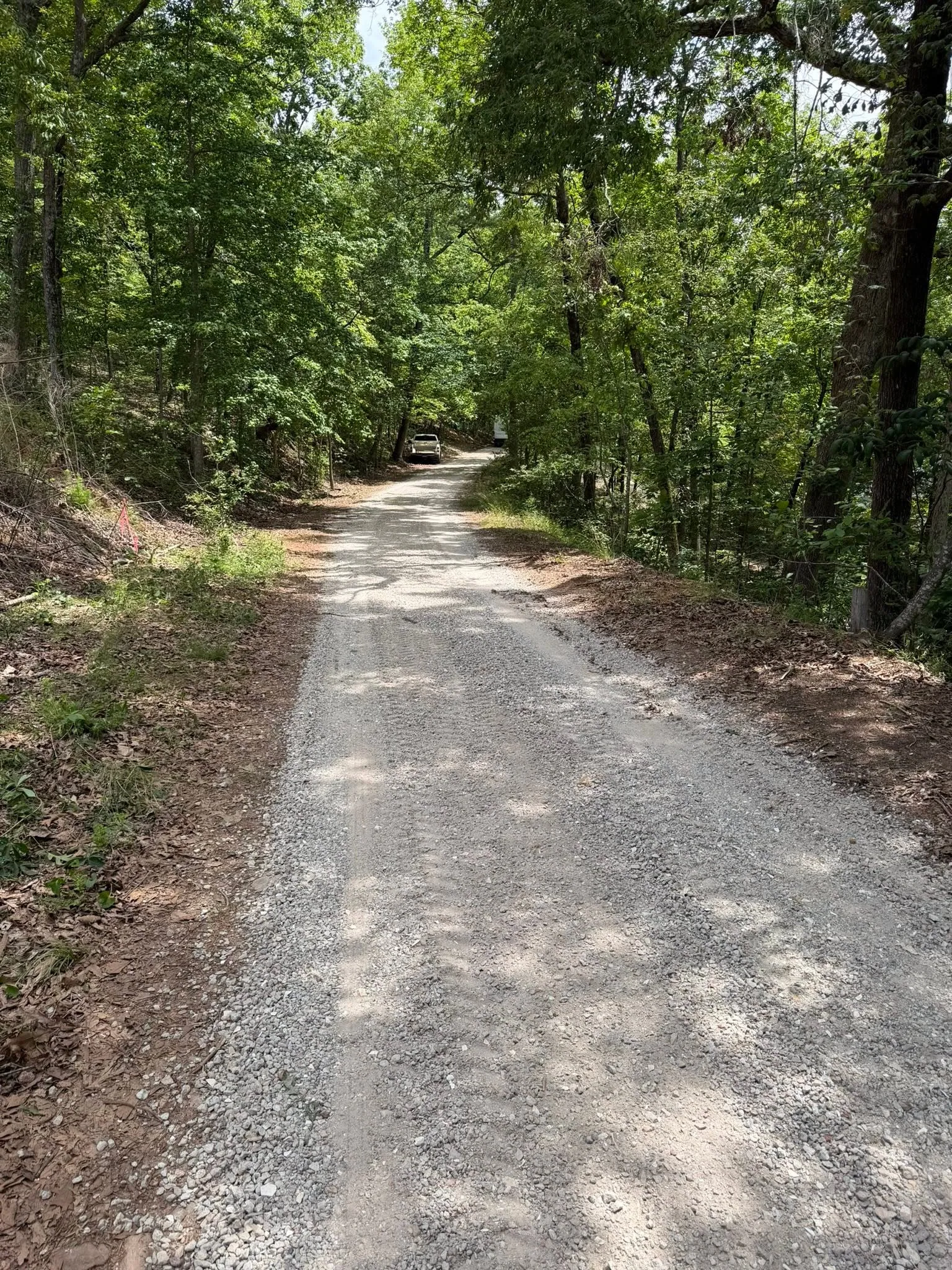
Rural lanes and roadside ditches are common across the Upstate, from county roads outside Greenville to rural property around Anderson. Our team travels about 50 miles from Simpsonville to install and repair culverts wherever a lane, drive or business entrance crosses a ditch. Hilly ground across the region sends storm runoff into ditches quickly, so a crossing that looks oversized on a dry afternoon often proves its worth in the first summer thunderstorm.
Read about the local drainage work we do in Greenville, Simpsonville, Spartanburg and Anderson. Older streets with open ditches and newer subdivisions with piped systems both turn up across these towns, and we plan for both. For culvert pipe installation in Greenville SC or anywhere nearby, the visit and estimate are free.
Culvert Questions
Culvert and Ditch Questions From Upstate Property Owners
How do I know what size culvert my driveway needs?
The size depends on how much land drains to that point and how hard it rains, not on the size of the old pipe. We look at the slope and area upstream, the ditch dimensions and any signs of past overflow. An undersized pipe is the most common reason driveway culverts back up, so measuring before buying pipe matters more than any other step.
Can a rusted culvert be repaired, or does it need replacing?
A pipe with minor rust at the ends can sometimes be cleaned out and its ends protected with stone. Once the bottom has rusted through, the pipe has crushed, or the driveway above is sinking, replacement is the lasting fix. We check the pipe from both openings and tell you plainly which situation you have before recommending any work.
How often should a drainage ditch be cleaned out?
It depends on what drains into it. Ditches under trees fill with leaves every fall, and ditches below bare or newly graded ground collect silt after each storm. Checking after leaf drop and after major rains is a good habit. When standing water lingers or the culvert ends look half full, the ditch is due for cleaning.
Why does my ditch keep washing out after every storm?
Repeated washouts usually mean the water is moving too fast for bare soil to hold, often because the ditch is too steep or too narrow. Red clay without grass or stone cover erodes quickly. Reshaping the channel, slowing the flow and lining the steepest stretches with stone or matting stops the cycle of digging out and refilling.
Keep the Water Moving
Replace That Failing Culvert Before It Takes the Driveway
A sinking driveway or a ditch that overflows each storm only gets more costly to fix. A correctly sized pipe and a stable channel put the water back where it belongs. Call us or send a request, and we will measure the crossing and walk you through your options at no cost.